Early years practitioner apprenticeship Realise
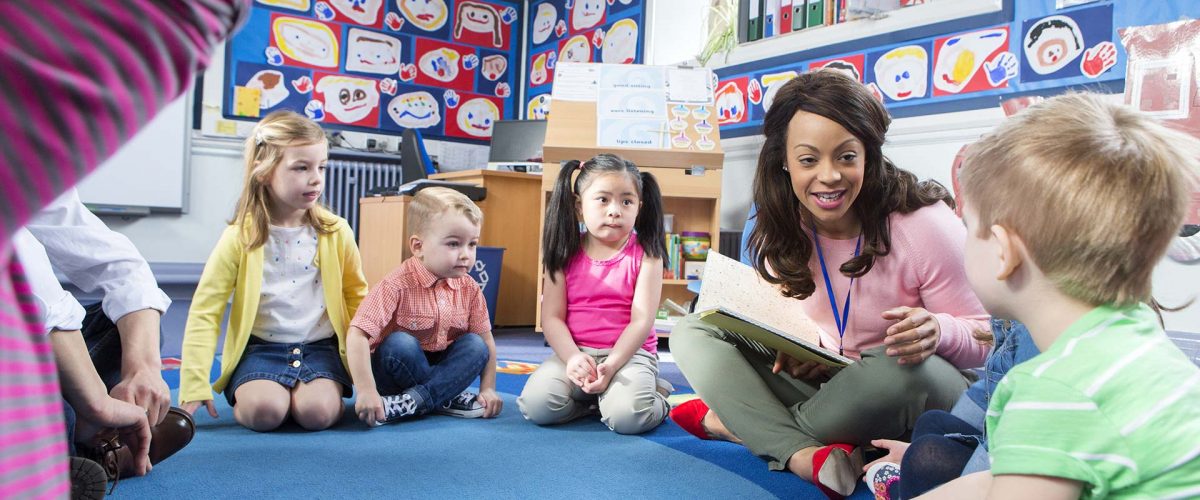
Some of the duties that Early Years Practitioners will perform include: Looking after the health and wellbeing of the child, such as feeding babies and changing their nappies. Helping children to develop core skills, such as in numeracy and literacy. Providing a safe and enabling environment for children to work in.
Teacher Roles and Responsibilities My Teaching Philosophy

Experienced early years practitioners can expect to earn around £24,000 or more in the role. Your experience in a past role, like as a nursery assistant, could help you to earn more from the get go. The average salary for an Early Years Practitioner in London is £21,000. The average salary for an Early Years Practitioner in Leeds is £18,579.
What is a Nursery Practitioner? Tommies Childcare

The Early Years Foundation Stage sets the foundation of safeguarding measures for early years providers to follow. They are based on four overarching principles, including: Children learn and develop best in an enabling environment. Children are unique, learn constantly and can become resilient, capable, confident and self-assured.
≫ Understanding Roles, Responsibilities and Relationships in Education and Training Free Essay
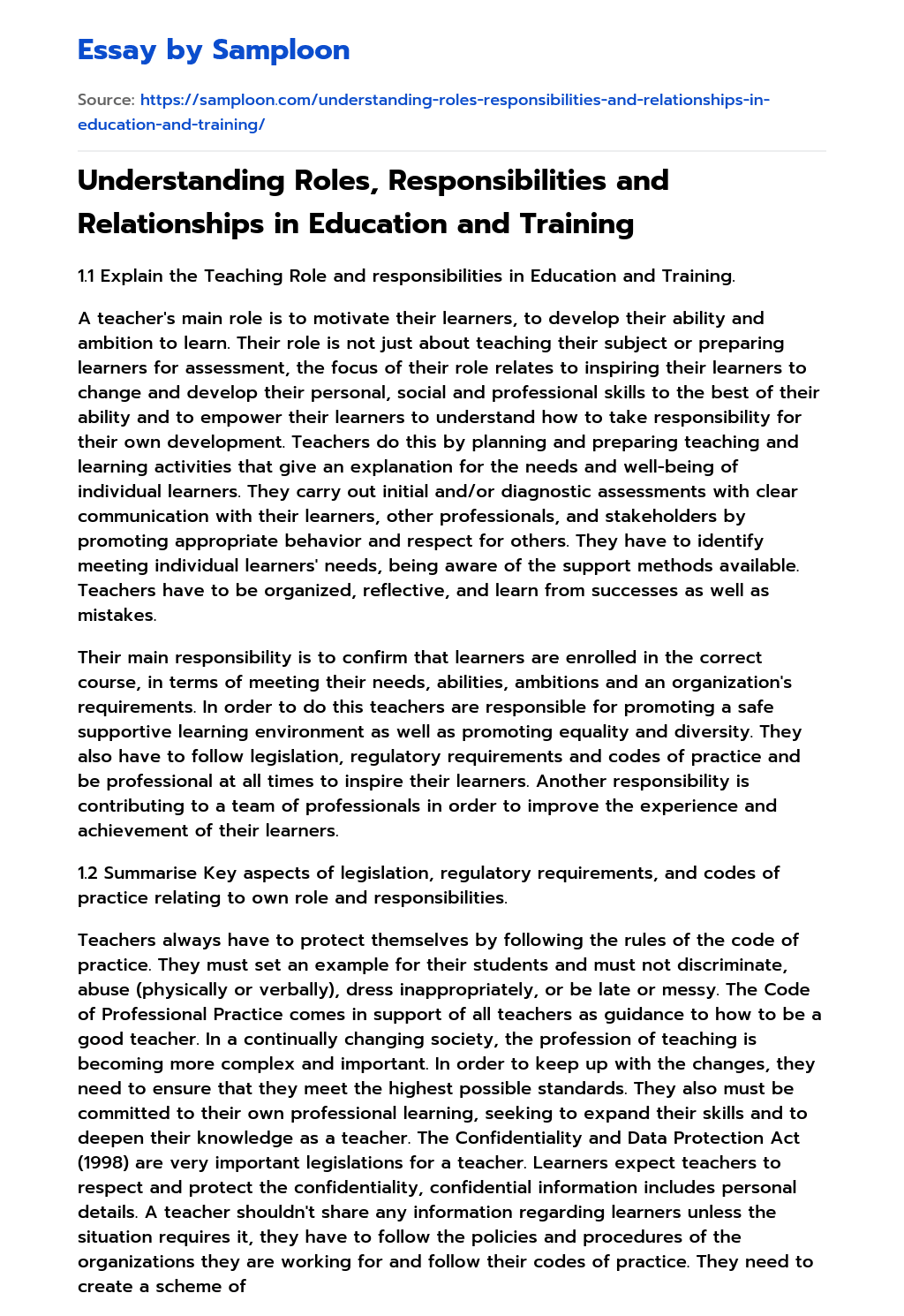
The average salary for an early years educator. The National Careers Service website says the average salary for an early years practitioner in the UK is £25,714 for someone starting out, and £36,961 for someone with more experience. Keep in mind, however, that this salary will vary depending on your specific role.
The Occupational Therapy Practitioner Roles, Responsibilities, and Relationships Nurse Key

The role of the professional Early Years Practitioner is vital in ensuring all children are meeting their personal developmental goals, and achieving the highest standard of learning available. Another role of the practitioner is the "key person". It is the key persons responsibility to ensure each child is observed, assessed and planned.
Special Events « TeachEzy Early Childhood Resources Inclusive education, Education poster

Early years practitioner. Early years practitioners are also known as nursery nurses. They are specialists who look after the social and educational development of babies and young children up to the age of five years old. What's involved. The role of a nursery nurse would include the following duties: Skills and experience you'll need.
Equality & Diversity Early Years Online Course EYPServices

Early Years Practitioner's Roles and Responsibilities. An Early Years Practitioner's roles and responsibilities include a wide range of duties. Some are related to children's educational progress and the teaching of new skills following the curriculum. Others are more focused on physical and mental well-being, looking after them in day-to-day.
Understanding the Role of an Early Childhood Practitioner YouTube

Qualification: NCFE CACHE Level 3 Diploma for the Early Years Educator Unit: Unit 2.2: Understand legislation relating to the safeguarding, protection and welfare of children Learning outcome: Understand policies and procedures for the safeguarding, protection and welfare of children Assessment criteria: Explain the roles and responsibilities of the Early Years practitioner in relation to the.
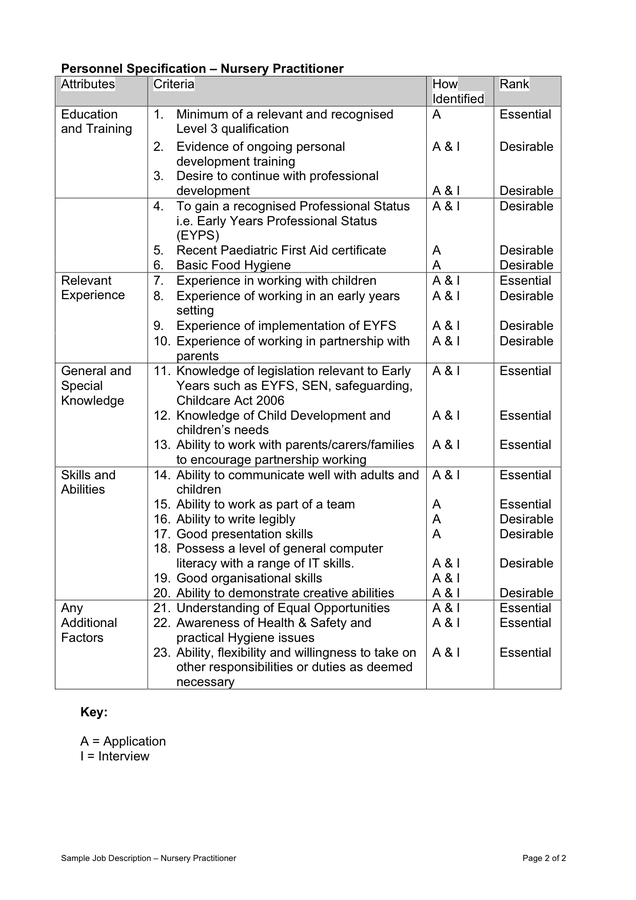
Nursery practitioner sample job description in Word and Pdf formats page 2 of 2
This is known as 'learning through play', it is an integral part of the role of an Early Years Practitioner, and it requires an abundance of imagination and creativity to engage children appropriately. The ability to play is one of the biggest skills that you can teach to a child in their early years. Play improves the cognitive, physical.
(PDF) Roles and Responsibilities Booklet DOKUMEN.TIPS

Teach Early Years magazine is the leading B2B title for early years teachers, practitioners and providers, offering expert advice on educating the 0-5s and operating a sustainable childcare business.. Their role in early years settings is pivotal to developing good practice. Not only do they build on and extend settings' existing.
Roles and responsibilities hires stock photography and images Alamy
Children attend early years settings for a variety of reasons, however once they are a part of the setting it is the role of the practitioner to promote and support the skills children need to reach. Each child is different however the theories of child development can be applied to every child.
Roles And Responsibilities Of A Teacher Essay Example
The roles and responsibilities of an early years practitioner are likely to include: Looking after children's day-to-day physical needs, such as feeding, nappy changing, toilet learning and administering first aid. Providing a range of fun and stimulating activities, from reading stories to messy play. Developing close attachments and.
Curriculum Roles, Responsibilities, and Processes The purpose of

Creating a smooth transition into school is vital to ensuring the child gets the best possible start in their new setting. There are many people involved in the transition process and all need to be updated and work closely together during this time. Practitioners, parents, teachers, teaching assistants and the child themselves are all part of.
Roles and Responsibilities Giving Challenge

The role, relationships and responsibilities of the traditional 'nursery nurse' have changed markedly within the last 20 years, demanding a high level of skill, knowledge and understanding which pertains to formal international standards. This book responds to the needs of a workforce who have experienced rapid developments and challenges.
The Roles of an Early Childhood Practitioner YouTube

Some of an Early Years Practitioner's roles and responsibilities will include: Looking after the health and wellbeing of the child, such as feeding babies and changing their nappies. Observing children's progress and development, and keeping record of this to collaborate and communicate with parents. Helping children to develop core skills.
Early years workforce less qualified’ Nursery World
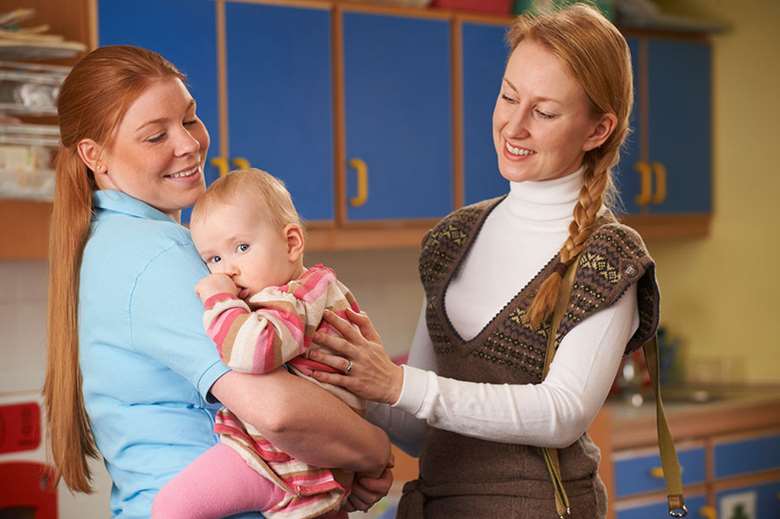
Some of an Early Years Practitioner's roles and responsibilities will include: Looking after the health and wellbeing of the child, such as feeding babies and changing their nappies. Observing children's progress and development, and keeping record of this to collaborate and communicate with parents. Helping children to develop core skills.