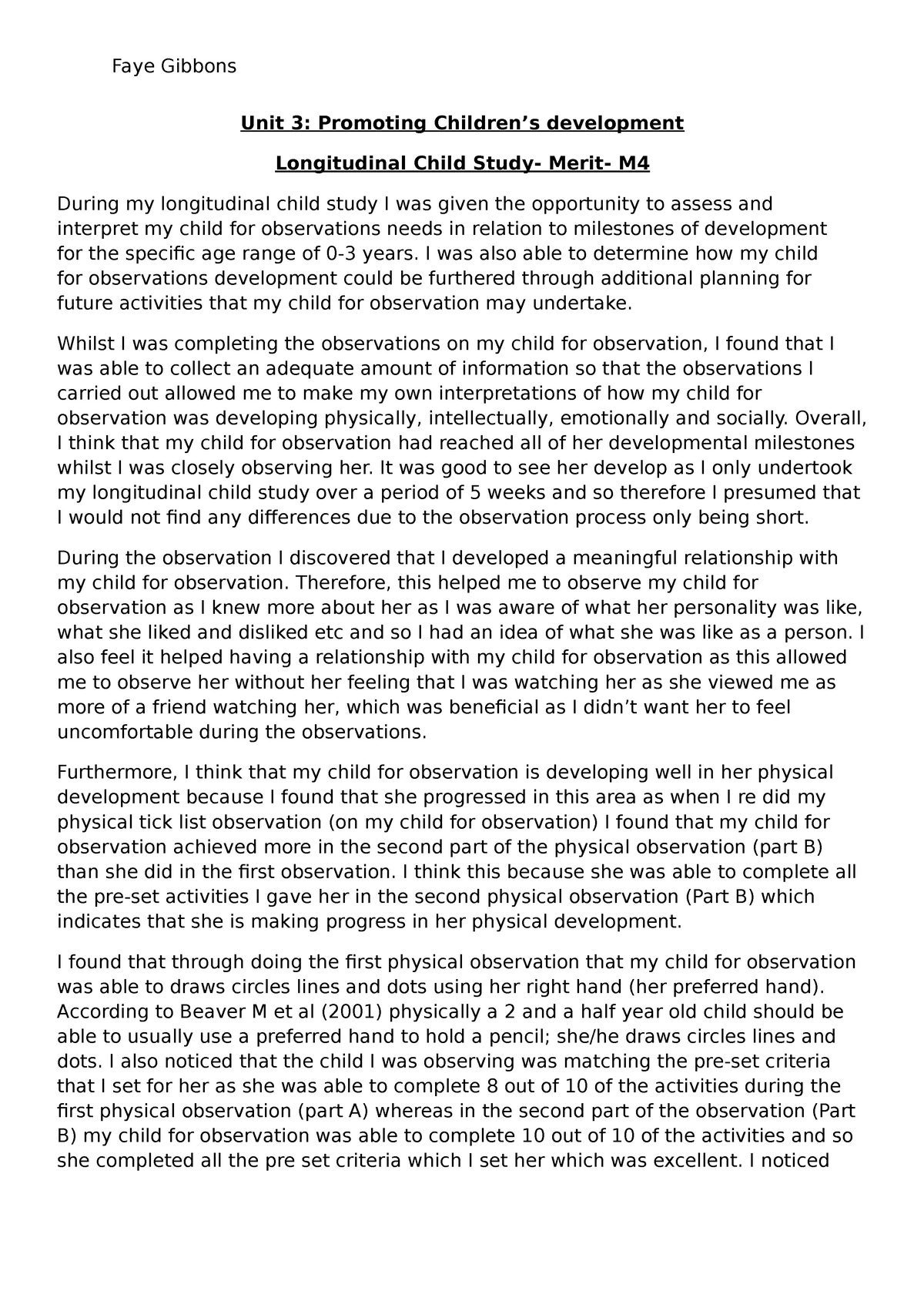
Longitudinal child study m4 I was also able to determine how my child for observations
Unit 3.15: Use longitudinal studies to observe, assess and plan for children's needs. This unit is part of the Level 3 Diploma for the Early Years Educator and has the following learning outcomes and assessment criteria: Advertisement. Understand the purpose of undertaking Longitudinal Studies. Explain how Longitudinal Study is used as an.
Time spent in different types of childcare and children's development at school entry an

However, Schneider and his colleagues (e.g., Schneider & Sodian, 1997; Sodian & Schneider, 1999) working on the Munich LOGIC longitudinal study revealed that at the level of the individual children the pattern of development was anything but gradual, demonstrating instead that individual children's acquisition of a sorting strategy was best.
(PDF) The Role of Special Teacher in the Special Education

Level 3 Diploma EYE NVQ Level 3 support for: NVQ Children's Care, Learning and Development, Diploma for the Children and Young People's Workforce, England's Early years Educator qualification Please DO NOT COPY and PASTE information from this forum and then submit the work as your own. Plagiarism risks you failing the course and the development of your professional knowledge.
(PDF) Social inequalities in childcare quality and their effects on children's development at

Qualification: Level 3 Diploma for the Early Years Educator Unit: Unit 3.15:. to carry out your own longitudinal study using methods of observation to assess the changing developmental needs of children; Your longitudinal study should be performed on one child in a real early years setting and focus on one area of development;
Posters / Signs EYLF Theorist Pack Early childhood education resources, Early childhood

Qualification: Level 3 Diploma for the Early Years Educator Unit: Unit 3.15: Use longitudinal studies to observe, assess and plan for children's needs Learning outcome: 3 Be able to critically evaluate the outcomes of Longitudinal Studies Assessment criteria: 3.1 Critically evaluate the outcomes of Longitudinal Studies
21 Professional Development Examples (2024)

Hi, if it still helps, you can find support on pages 382+ of this Early Years Educator book for longitudinal studies, specifically page 391 that looks at AC 3.1 Critically evaluate the outcomes of longitudinal studies: . Introducing your study; Child's development stage, interests and needs. What your own role is; Explanation of why you chose your assessment methods
A Longitudinal Study of Children Diagnosed with Autism Spectrum Disorder Before Age Three

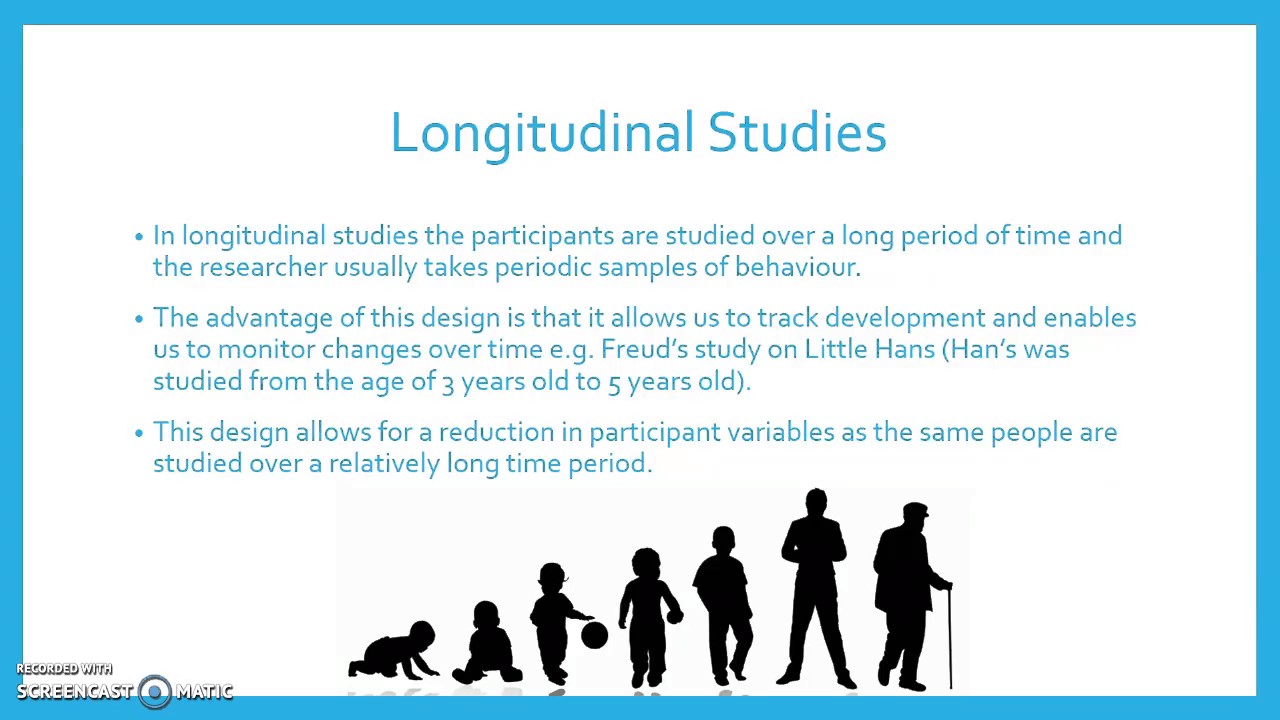
Longitudinal studies are often used as assessment tools in early years settings, as they can provide valuable insights into children's development over time. In the wider context, such studies typically involve tracking a group of children from birth (or even pre-birth) until they reach adulthood. This allows researchers to observe how.
Pin on Career Childcare/Nannying

Qualification: Level 3 Diploma for the Early Years Educator Unit: Unit 3.15: Use longitudinal studies to observe, assess and plan for children's needs Learning outcome: 1 Understand the purpose of undertaking Longitudinal Studies Assessment criteria: 1.1 Explain how Longitudinal Study is used as an assessment tool
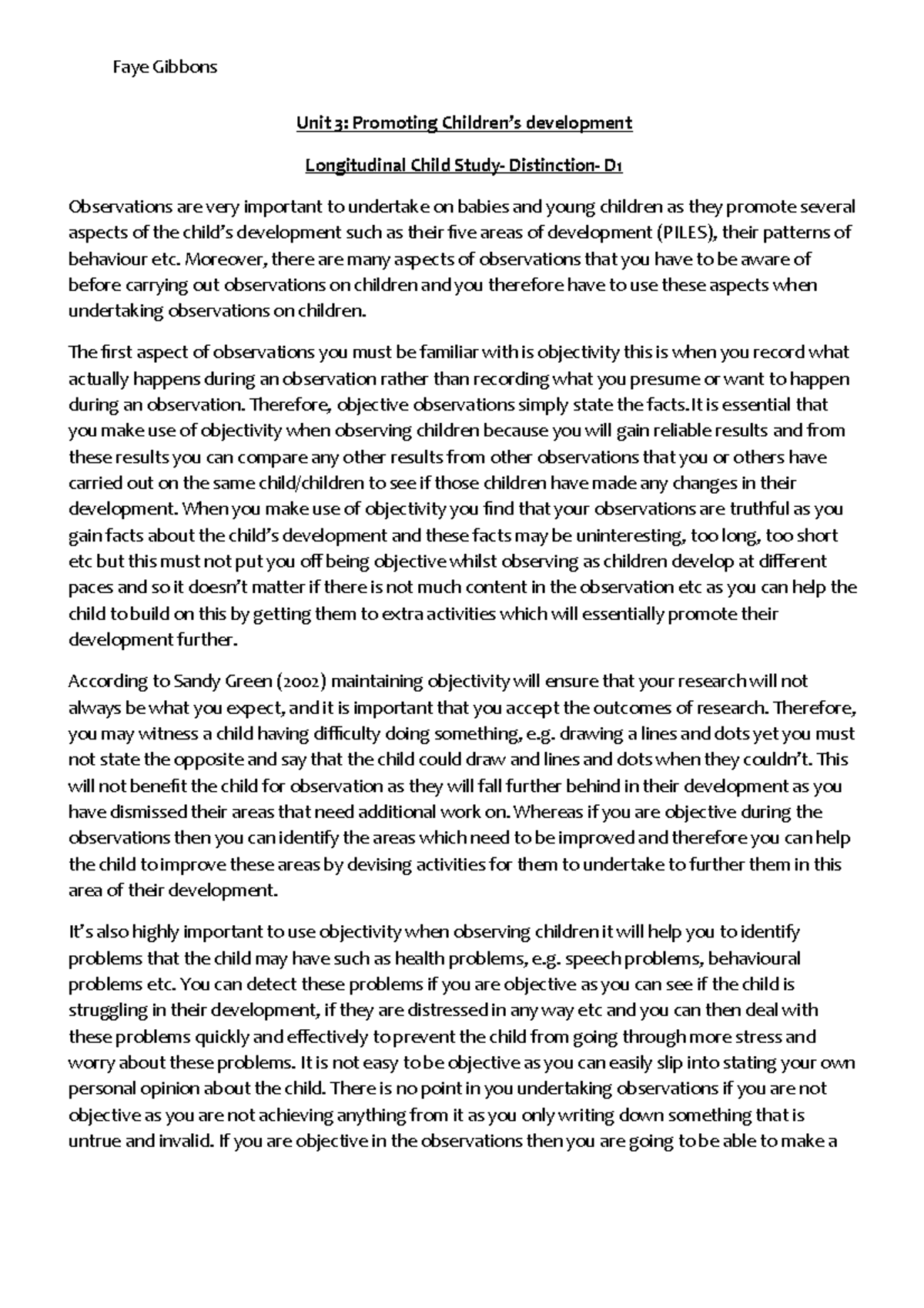
Longitudinal study d1 Unit 3 Promoting Children’s development Longitudinal Child Study Studocu
Childcare 3.15 Cache Level 3 childcare level 3. Preview text.. During my longitudinal child study I was given the opportunity to assess and interpret my child for observations needs in relation to milestones of development for the specific age range of 0-3 years. I was also able to determine how my child for observations development could be.
What Is a Longitudinal Study?
/GettyImages-200215775-001-5682952c5f9b586a9ef5b2df.jpg)
Qualification: NCFE CACHE Level 3 Diploma for the Early Years Educator Unit: Unit 3.15: Use longitudinal studies to observe, assess and plan for children's needs Learning outcome: Be able to use observations to assess and plan for the developmental needs of children in line with current frameworks
Early development of writing skills A longitudinal study with preschool writers Student's T

→ NCFE CACHE Level 3 Diploma for the Early Years Educator. → Unit 3.15: Use longitudinal studies to observe, assess and plan for children's needs.. For example, even though your study may have been concerned with a child's mathematical literacy, you could explain how a group maths game helped a child to develop social skills..
(PDF) Longitudinal analysis of loneliness and inflammation at older ages English Longitudinal

3 .Get organised! A key part of your longitudinal study is maintaining accurate records of observation, assessment and planning. Take time to plan how you will organise the information you gather, for example you might have a folder with dividers to separate each cycle of observation, assessment and planning carried out for your longitudinal.
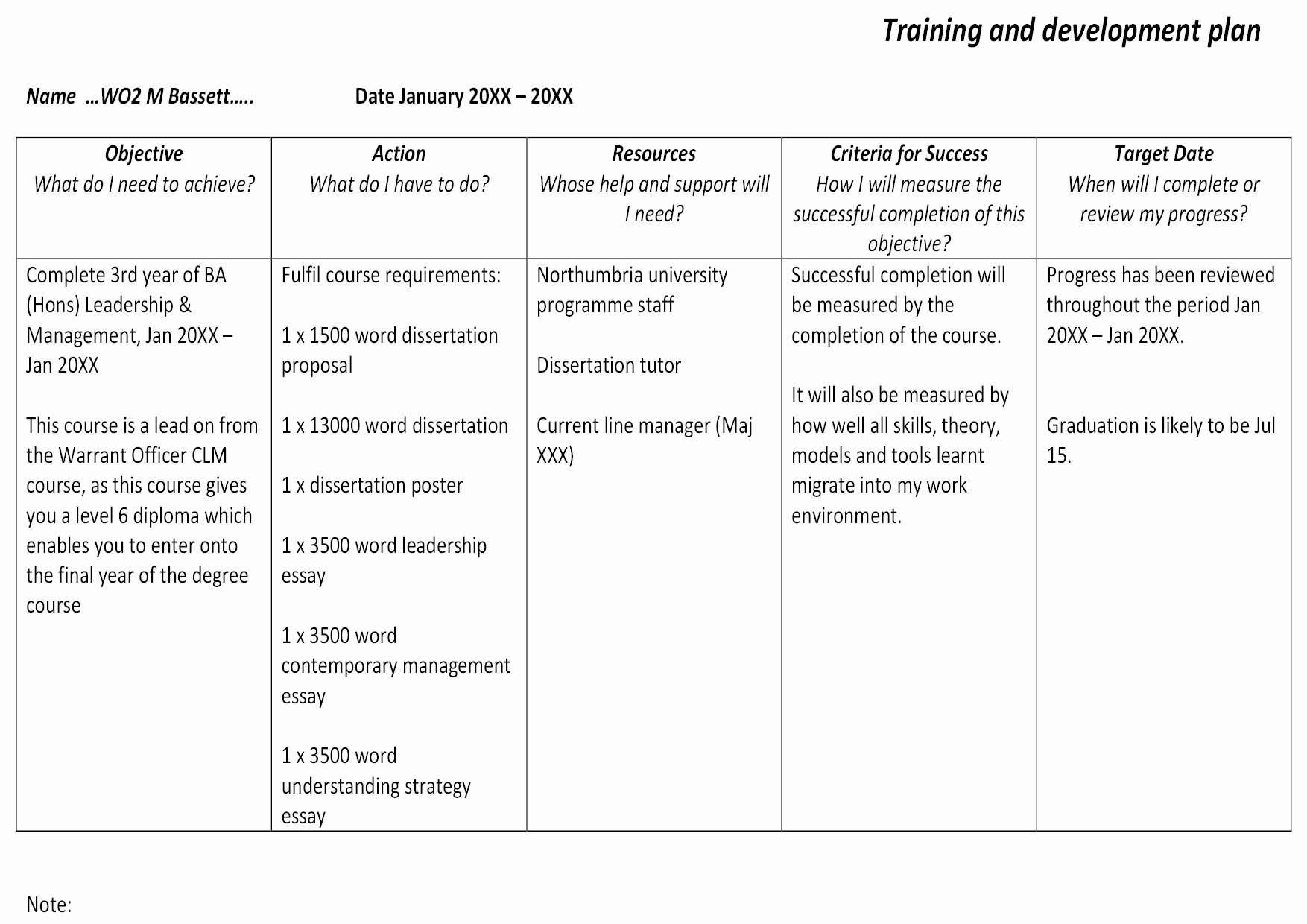
Early Childhood Professional Development Plan Template
Longitudinal Study for: by the Longitudinal Study are identified and evaluated in • the child • Early Years practitioner • others. •Advantages as well as any gaps in the information provided relation to the benefits for: − the child − the Early Years practitioner − others involved in the care and education of the child who
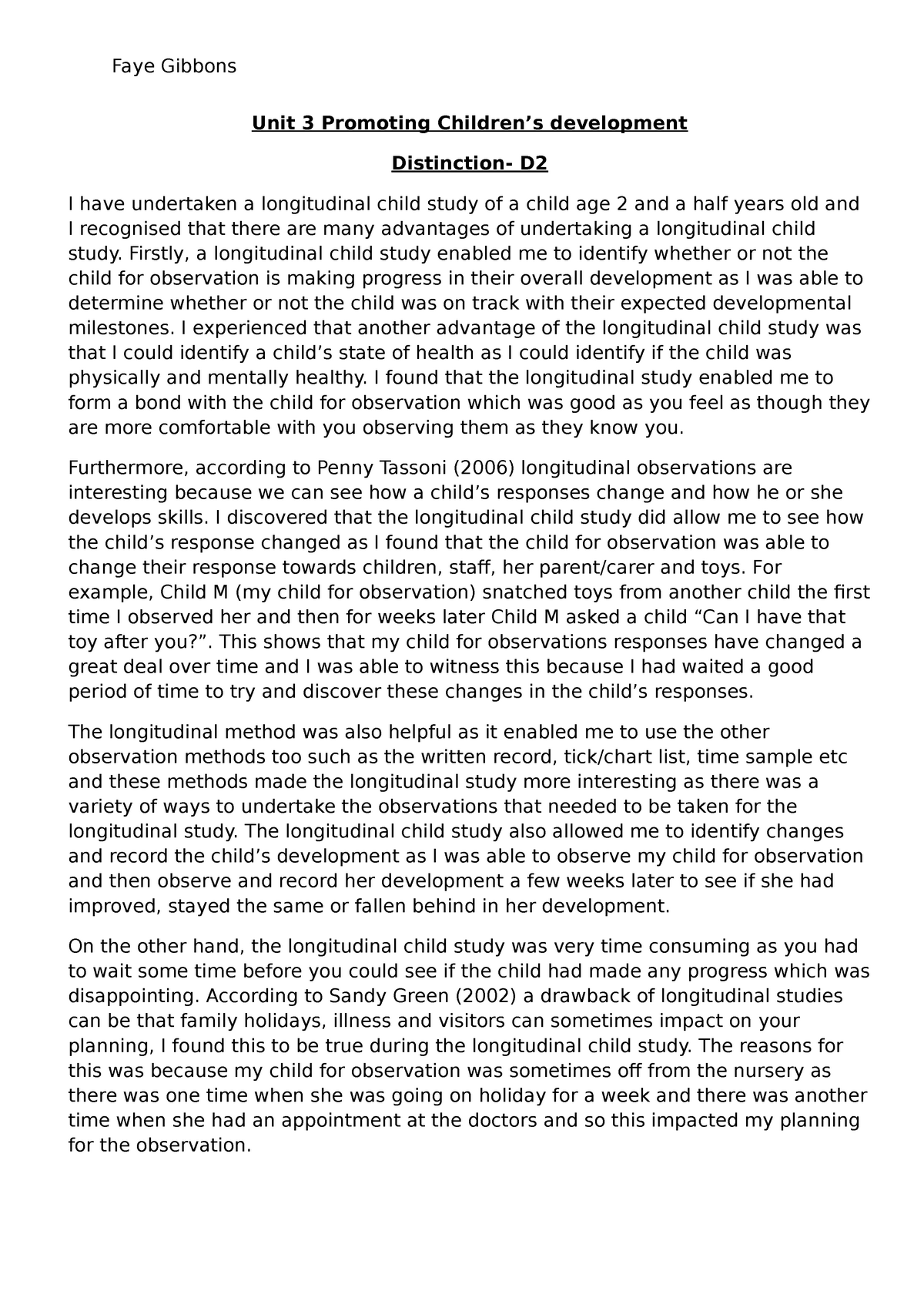
Longitudinal study d2 essay Unit 3 Promoting Children’s development Distinction D I have
Unit 3.15: Use longitudinal studies to observe, assess and plan for children's needs. This unit is part of the NCFE CACHE Level 3 Diploma for the Early Years Educator and has the following learning outcomes and assessment criteria: Advertisement. Understand the purpose of undertaking Longitudinal Studies.
havioural and Educational in a Longitudinal Study of Children in Foster Care by Phil

Overview. The Early Childhood Longitudinal Study (ECLS) program provides important information about children's knowledge, skills, and development from birth through elementary school. For more than 20 years, the ECLS program has helped educators, families, researchers, and policymakers improve children's educational experiences.
Research Methods Longitudinal and Snapshot Studies YouTube
Complete one (1) Longitudinal Study on an individual child in a real work environment. For the study observe, assess and plan across one (1) area of development. The following criteria must be met in full: Select one (1) age range for the Longitudinal Study: 0-1 year 11 months. 2-2 years 11 months. 3-5 years.